

In the modern day, lotteries are among the largest forms of regulated gaming, which, over the years, have undergone a monumental transformation, resulting in what they are today. Modern-day lotteries are operated under a strict legal framework that has ensured they are fair and transparent for all players. Despite modern-day lotteries such as BOYLE lotto being highly regulated, this was not always the case, and the early days of lotteries featured notable speculation. The origins of lotteries date back to Ancient China, where they were introduced as a fundraising mechanism to help fund infrastructure development. These lottery games were played with slips of paper bearing characters and were instrumental in the construction of the infamous Great Wall of China. During these times, the prizes awarded were dramatically different from what we see today, with no cash prizes and winners instead being awarded goods or land if they matched the characters.
At the core of lotteries is a game of chance, in which the outcome is determined by a random draw. In modern lotteries, participants purchase tickets corresponding to a specific set of numbers, and on a predetermined date, the winning numbers are drawn. Players aim to match the numbers on their slips to the winning numbers; the more numbers they match, the larger the prize.
The Lottery Rules
As lotteries are a form of gambling, all players must be 18 years of age or older to buy tickets or to claim prizes. Eligibility does not stop at age; the location where individuals reside also affects whether they can engage in lottery practices, depending on the respective jurisdictions.
Many lotteries offer different ticket formats which can accommodate individuals’ preferences. The most common type of lottery ticket involves players selecting a set of numbers from a predetermined range. If players match their chosen numbers to the randomly drawn numbers on a predetermined date, a prize may be awarded, with larger prizes for more numbers matched. A player commonly chooses six numbers, and matching all of them can win the jackpot prize if there is one, whilst matching some of the numbers drawn can award smaller prizes.
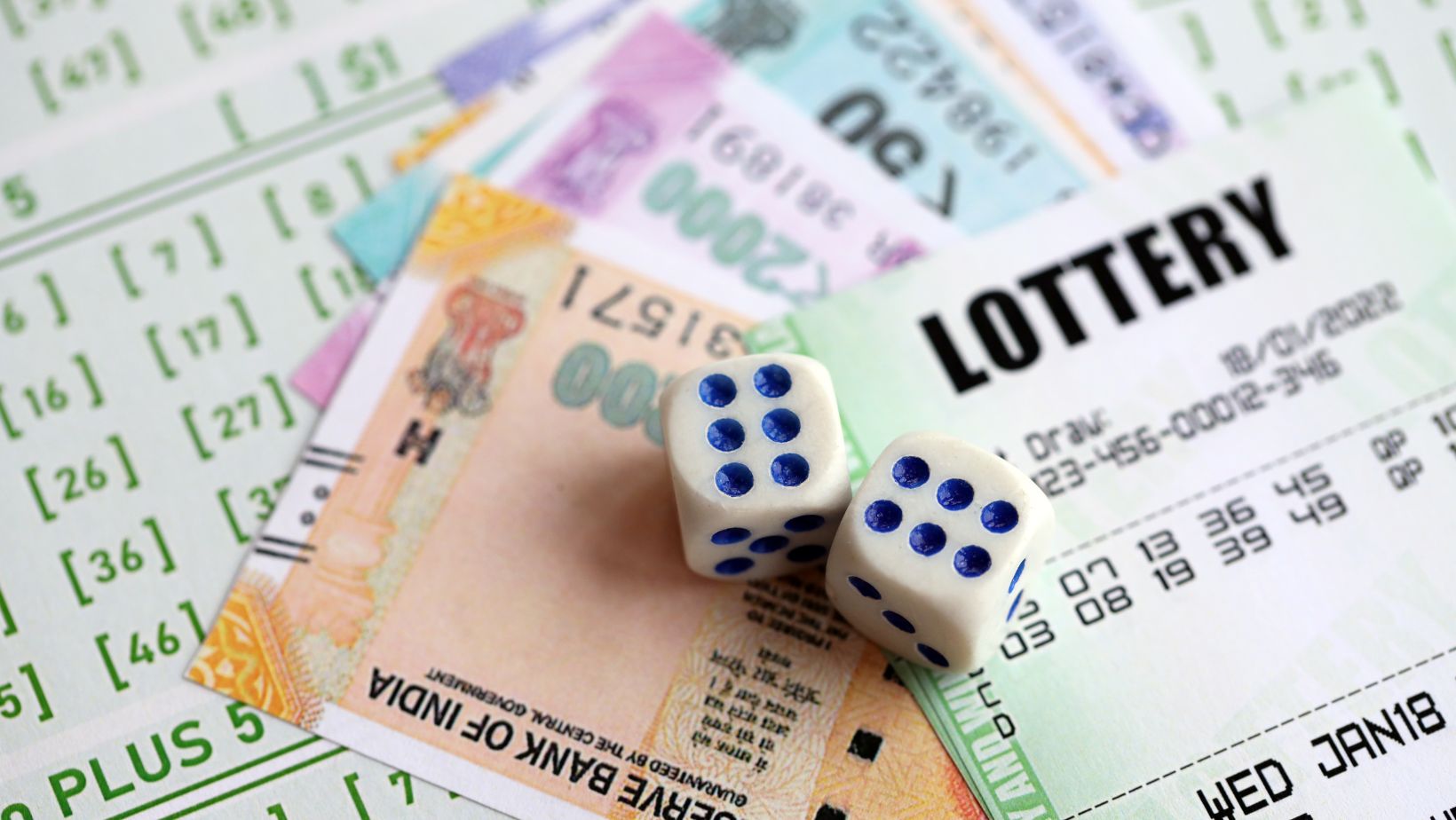
Some other rules for the lottery include purchase limits, which limit the number of tickets an individual can buy at once. These regulations are put in place to ensure that individuals partake in safe gaming and are in control of their play. Additionally, most lottery formats have entry periods, meaning there are deadlines for ticket sales before each draw.
How the Draws Work
The drawing process varies by lottery, though most large national lotteries, such as the UK National Lottery, use physical ball machines to determine the winning numbers. These ball machines feature all available numbers, often in small numbered balls, which are randomly selected one by one to determine the winning numbers. To ensure fairness, the drawing process of these lotteries is often overlooked by an adjudicator.
Online lottery games have grown massively as online casino platforms have introduced instant-win games. These instant-win games use modern computer RNG (Random Number Generator) systems for ball drawing.
Prize Distribution
In the early years of the lottery, the main method of funding distribution was for infrastructure development, which has changed massively over time. These changes have been imperative in the creation of the modern day lottery formats, which distribute the prizes in various ways. In the modern era, there are hundreds of individual lotteries, ranging from national to charity lotteries, each with its own unique prize distribution.
In modern lotteries, funds are typically raised through ticket sales, with a percentage of all sales allocated to various purposes. Commonly, a large share of lottery ticket sales funds the prize pools, with the remainder allocated to good causes, the government, operators, and retailers.
In the National Lottery in the United Kingdom, 28% of the fee for ticket sales is allocated to the ‘good causes’, which are allocated to four main areas. These areas include healthcare, sports, arts, and heritage, helping the country develop with an efficient fundraising technique.
In terms of prize pool distribution, most lotteries use a tiered format, with a larger jackpot awarded if all numbers/symbols match. Alongside jackpot prizes, many lotteries offer smaller prizes for partial matches, with more symbols matched awarding a larger prize. For some modern lotteries, if no one wins the top prize or the jackpot, it may ‘roll over’ to the next draw, which can make for even larger prize pools. In the event of a winning ticket, individuals must follow the specific processes to claim their prize, which may vary depending on the lottery organiser.
Responsible Gaming
It is important to remember that lotteries are games of chance, and all players should ensure they play responsibly. If you feel you are ever losing control of your play, many lottery organisers allow spending limits, or self-exclusion tools, as well as easy access to gambling hotlines if needed. Additionally, it is important to research the legitimacy of the selected lottery organisation before participating, as many scams and unlicensed operations are in operation.