
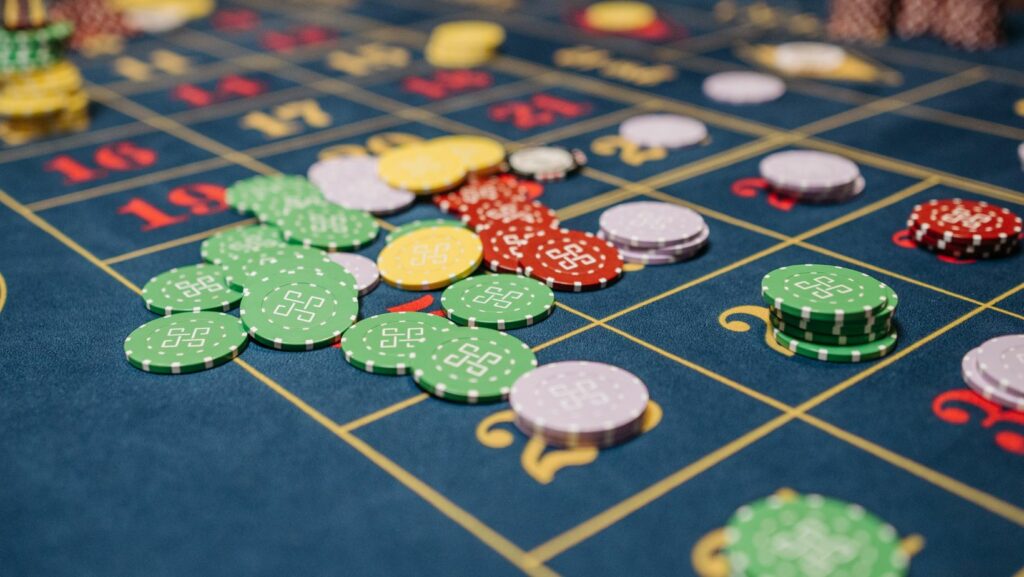
Random number generators sit at the heart of online gambling. Every slot spin, card deal, dice result, and crash-game ascent depends on RNG integrity. For decades, casinos relied on algorithm-based RNGs – mathematical systems that simulate randomness. But as online gambling becomes more competitive and heavily regulated, developers are exploring a new frontier: quantum random number generation. In 2026, QRNG is emerging as a potential industry standard, offering randomness derived from real-world quantum phenomena instead of computer algorithms.
Why Quantum RNG Matters More Than Ever
Algorithmic RNGs at WinPlace, while secure, are ultimately deterministic. They rely on seed values and computational processes that can theoretically be analysed, predicted, or influenced if compromised. This doesn’t happen in regulated markets, but the theoretical weakness exists. Quantum RNG removes this concern entirely. It generates numbers based on unpredictable natural events at the quantum level – such as photon behaviour – making manipulation virtually impossible.
With regulators demanding higher transparency and players seeking stronger fairness guarantees, QRNG provides a technological upgrade with measurable impact.
How Quantum RNG Differs From Traditional RNG
Traditional RNGs rely on complex algorithms. Quantum RNG uses physical randomness produced by quantum mechanics, making each result truly unpredictable.
How QRNG Works Inside Online Casino Systems
Quantum RNG devices measure quantum states – usually the behaviour of individual photons – and convert those readings into random numbers. These numbers feed directly into casino game engines, replacing algorithmic outputs. The system is typically cloud-based, allowing multiple casinos to connect to a central QRNG service.
Before comparing RNG types, it’s important to note that QRNG requires specialised hardware and high-speed network access, meaning adoption depends heavily on technological infrastructure.
Comparison of Traditional RNG vs Quantum RNG
| Feature | Traditional RNG | Quantum RNG | Impact on Players |
| Source | Algorithmic simulation | Physical quantum events | Stronger randomness |
| Predictability | Extremely low, but theoretical | Zero – quantum-driven | Higher trust |
| Certification | Standard lab testing | Additional hardware audits | More transparency |
| Cost | Low to medium | High | Suitable for large operators |
| Implementation | Software-based | Hardware + cloud | Slower rollout |
QRNG offers stronger security but requires new certification models.
Why Studios and Casinos Are Interested in QRNG
Developers see quantum randomness as a way to stand out in a crowded market. Some studios already market “quantum-enhanced slots” as a premium feature. Operators benefit because QRNG reduces risk of manipulation, protects against sophisticated attacks, and creates a marketing advantage in trust-sensitive regions.
Before listing the key advantages, it’s worth noting that regulators also prefer systems with clear, auditable randomness sources.
Benefits Driving Industry Adoption
- True physical randomness instead of algorithmic simulation
- Higher trust among players in fairness outcomes
- Stronger protection against RNG tampering or reverse engineering
- Unique selling point for casinos in regulated markets
- Better long-term resilience against computing advances
These benefits explain why QRNG is appearing in early-stage trials across Europe and Asia.
Challenges Slowing Down Quantum RNG Adoption
Despite its promise, QRNG is not easy to implement at scale. Hardware must be certified, cloud systems must meet strict latency requirements, and regulators must update verification frameworks. For smaller casinos and studios, costs remain a major barrier.
Before exploring these barriers, consider that even existing RNG systems undergo heavy auditing – adding quantum hardware makes the process even more complex.
Obstacles to Widespread QRNG Use
- High cost of quantum hardware and maintenance
- Need for new testing and certification standards
- Limited availability of quantum data centres
- Integration challenges with legacy game engines
- Concerns about latency for fast-paced games
Without coordinated industry standards, QRNG will expand slowly.
What Players Should Expect From QRNG-Powered Games
For players, most changes will happen behind the scenes. Slots won’t look different, and card games won’t behave dramatically differently. The difference lies in trust. QRNG-backed platforms can promote provably random outcomes, offering unmatched transparency for users who pay attention to fairness testing and game certification.
Before outlining player-level advantages, it’s important to note that QRNG is not about higher RTP or bigger wins. It is purely about randomness integrity.
What Players Gain From Quantum RNG
- Rock-solid confidence in randomness fairness
- No chance of outcome prediction or manipulation
- Transparent certification documents from independent labs
- Stronger protection in high-stakes environments
- Enhanced appeal for tech-focused players
QRNG won’t change the odds – but it will change how the industry communicates fairness.
Quantum RNG marks a significant step forward for game fairness. While the technology is still expensive and logistically complex, its adoption is increasing as regulators and major operators show interest. As 2026 unfolds, QRNG will appear most often in high-profile studios and emerging tech-forward markets, eventually influencing global standards. Players may not notice the internal mechanics, but they will benefit from improved trust, clearer certification, and a stronger guarantee that every outcome is genuinely random – not mathematically simulated.