
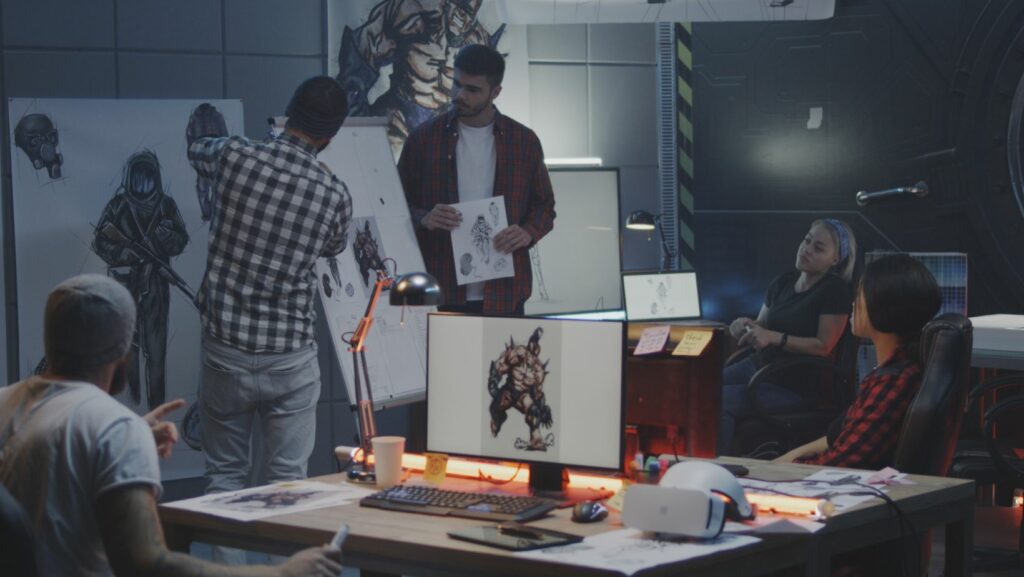
Video games have changed more in the past ten years than some entire industries. The shift didn’t just come from better graphics or faster consoles. It came from a new kind of thinking. Developers stopped building games that only worked. What used to be a technical job focused on code has become something more layered.
Developers today are world builders. They think about the emotions, decisions, and choices people bring into a game. A good game no longer just works. It reacts. It listens. It gives something back. Games are now places people go to make decisions, form opinions, and try things they might not in real life. Developers have had to change their approach to match this new role.
Data-Driven Design and Feedback Loops in Games
Game developers today work with constant feedback. It’s not just about putting a game on a shelf and waiting. Every click, pause, and choice can be tracked and studied. With this data, studios know what works and what doesn’t within days. That’s changed how games get made.
Modern titles like Fortnite or Call of Duty: Warzone don’t just release once. They change over time. Developers make changes based on player behavior. If a level frustrates people or a weapon gets overused, it can be fixed quickly. This loop between player and developer is now part of how games evolve.
This kind of design works across all types of games, including pay-to-play models like online casino games. So, for instance, when people use slot sites, the experience is often tailored to keep players immersed in the storyline. Developers and platforms behind these sites now use player feedback and real-time data to adjust layout, pace, and interaction.
Bigger Worlds, Better Tech, and the Rise of Player Control
Once consoles moved beyond cartridges and memory limits faded, developers were free to try bigger ideas. The arrival of systems like the PlayStation 2 and, later, the Xbox 360 gave more space to experiment. The world’s got larger, stories are more detailed, and characters are more human.
Games like The Elder Scrolls IV: Oblivion or Grand Theft Auto: San Andreas showed what could happen when players had room to explore. These weren’t just missions. They were full spaces with choices, rules, and people. Developers stopped pushing players through narrow levels. They let them walk in any direction and pick their own path.
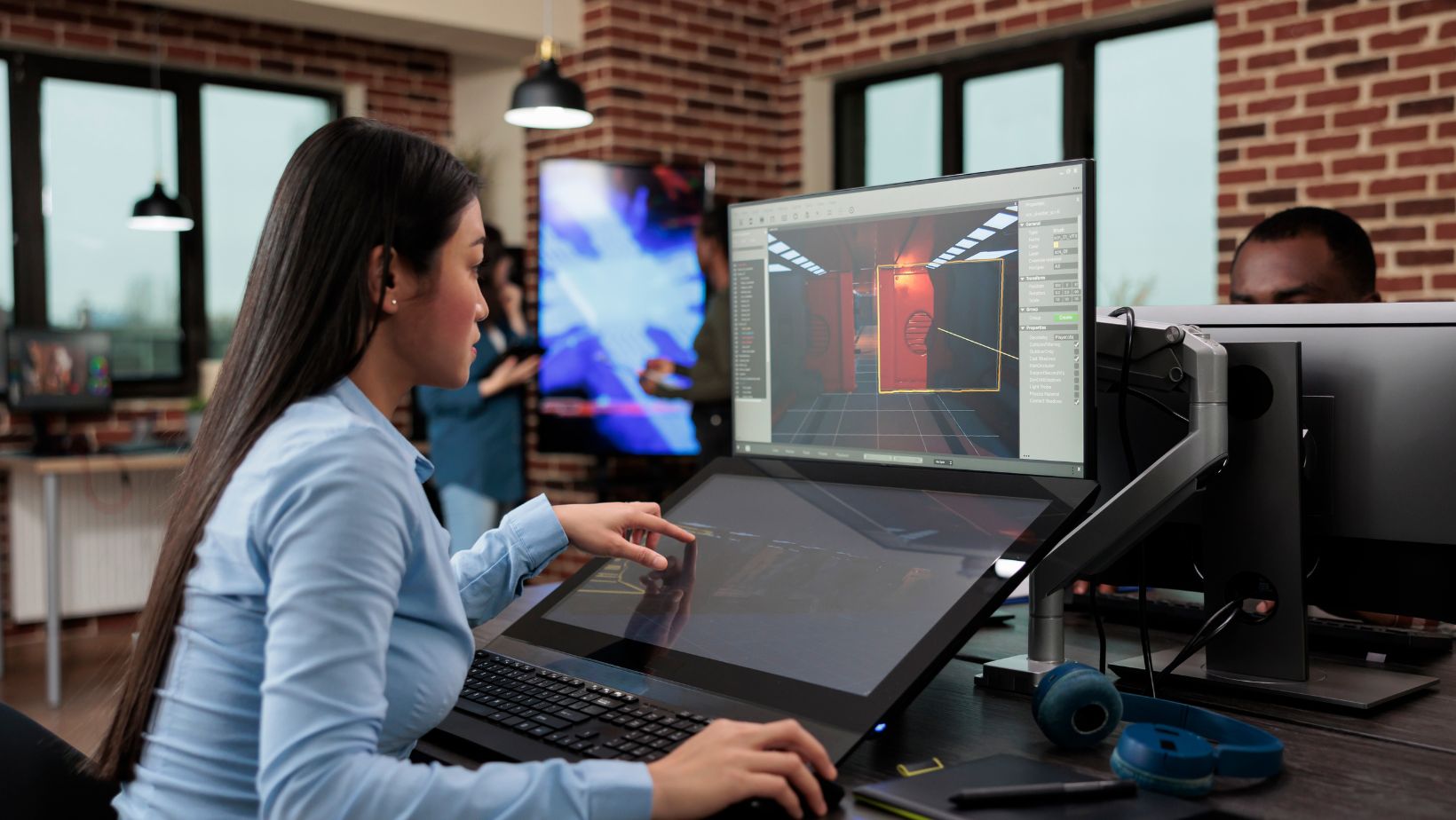
One of the biggest changes came with engines that could do more. With tools like Unreal Engine and Unity, studios didn’t have to spend years writing basic systems. They could focus on what makes each world different. This led to games that responded to actions, tracked choices, and showed results over time.
People wanted more control. They didn’t just want to press buttons. They wanted to shape outcomes. Games moved closer to becoming places where decisions mattered. And developers followed that lead.
Open-World Design: Giving Players the Steering Wheel
As the tools improved and storage grew, open-world games became more than just an option. They turned into a standard. Titles like Red Dead Redemption 2 or The Legend of Zelda: Breath of the Wild didn’t just give players choices. They gave them control over time, direction, and purpose.
Developers stopped focusing only on winning and losing. They started thinking about what people do between those moments. Games now leave room for wandering, building, and shaping your own story. This kind of design puts players at the center.
Building these kinds of games takes more than code. It takes an understanding of how people make choices. Developers don’t always want to control every step. Instead, they build systems that react. That makes every player’s story a little different, and that’s now part of the point.
Looking Forward: What the Next Generation Could Look Like
Game development keeps changing. It’s not just about power or speed anymore. Developers now focus on how games feel. That includes emotion, interaction, and how people react to the world around them.
One area that’s seeing major growth is AI-assisted design. Some studios already use tools that generate environments or adjust difficulty in real time. A game might change based on how you play. That kind of dynamic shift brings new challenges, but also more room to build games that feel alive.
There’s also a push toward more personal ownership. Some projects are exploring how digital items could move between games. A sword earned in one title might work in another. That’s a big jump from how things used to work, but it’s part of the same idea: games that feel like places, not just puzzles.
Game devs now think more about what people bring into the game. That means the future might look less like a finished product and more like an ongoing space. Not everything will be open-world or connected, but more games will treat players like co-authors, not just users.